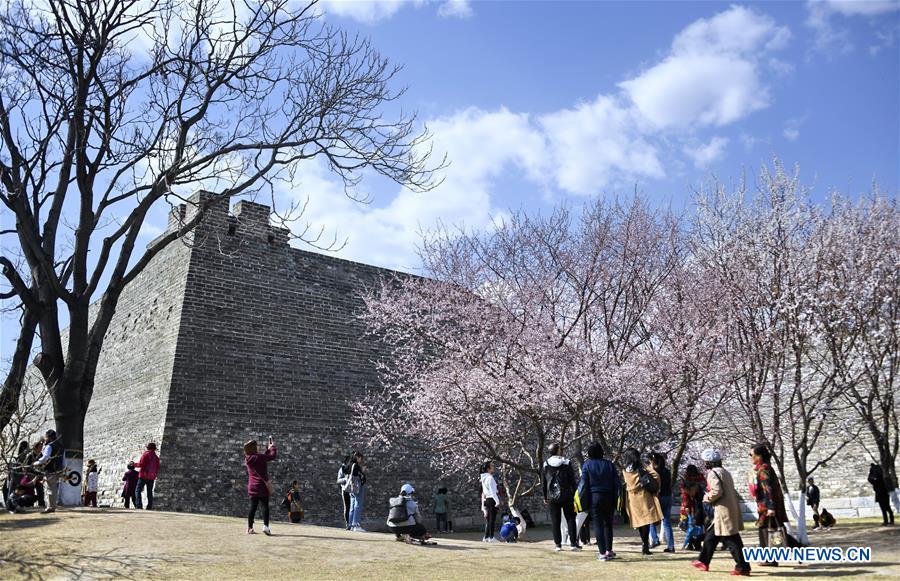
Beijing City Wall
Introduction
The Beijing City Wall, an ancient architectural marvel, is an important historical remnant that encapsulates the rich heritage and evolving history of Beijing, China’s capital city. Constructed primarily during the Ming Dynasty (1368-1644), the city walls were originally built as part of a defense system to protect the city from invasions and to define its boundaries. The wall, which was approximately 40 kilometers long, encircled the inner city of Beijing, integrating watch towers, gates, and other military structures to bolster its defensive capabilities. Today, only a few sections of the wall remain, serving as cultural and historical monuments within the bustling modern metropolis of Beijing. They stand as silent witnesses to centuries of history, reflecting a unique blend of ancient Chinese architectural ingenuity and military strategy. The remnants of the Beijing City Wall are preserved in parts such as the Ming City Wall Ruins Park, a popular destination for both tourists and locals who seek to explore the past while engaging with the contemporary urban environment.
History
Early Constructions
The concept of city walls in China dates back thousands of years, serving both as protection from military threats and as symbols of the city's importance. Early constructions of Beijing's city walls can be traced back to several dynastic periods, with each era contributing to the modifications and expansions of these fortifications. The initial fortifications were rudimentary and evolved significantly over successive dynasties, reflecting advancements in military defense strategies and the growing importance of Beijing as a political and cultural center. The original city walls of ancient Beijing were constructed using basic materials like tamped earth and mud bricks, which were sufficient for defense against early threats. Over time, as the city grew in prominence, more sophisticated techniques and durable materials were employed, reflecting the city’s evolving strategic and administrative roles.
Ming Dynasty Reconstruction
The most notable reconstruction of the Beijing City Wall occurred during the Ming Dynasty, a period when Beijing was established as the imperial capital of China. Under the reign of the Ming emperors, the city walls were significantly expanded and fortified to accommodate the capital's status as a political and military hub. The Ming Dynasty architects employed advanced construction techniques, utilizing more robust materials such as bricks and stone, which not only strengthened the walls but also allowed for the construction of imposing gates and watchtowers. The reconstructed wall during the Ming era included a series of crenelated battlements and strategically placed gate towers, which enhanced Beijing’s defensive posture. This period of reconstruction marked a peak in the architectural sophistication of the city walls, showcasing the Ming Dynasty’s commitment to protecting their imperial capital.
Subsequent Modifications
In the subsequent dynasties following the Ming, the Beijing City Wall underwent various modifications and repairs. The Qing Dynasty (1644-1911), which succeeded the Ming, made further enhancements to the wall, ensuring that it met the military needs of the time. However, as Beijing transitioned into the modern era, the strategic importance of city walls diminished, leading to significant portions of the wall being dismantled or repurposed during the 20th century to accommodate urban development. Despite this, efforts in recent decades have been made to preserve the remaining segments of the wall, recognizing their historical and cultural value. The preservation efforts have included restorations and the establishment of parks and museums to educate the public about the wall’s historical significance.
Architecture
Structure and Materials
The architecture of the Beijing City Wall is a testament to ancient Chinese engineering and architectural prowess. The wall was constructed using a combination of tamped earth and bricks, with stone used to reinforce the foundations and gate areas. The structure typically featured a thick outer wall, which could withstand assaults and artillery, and an inner wall that provided additional defense. The materials were meticulously crafted and aligned to ensure durability and stability, allowing the walls to stand for centuries. The use of interlocking bricks and stone not only provided strength but also a degree of flexibility, which helped the structure withstand natural wear and tear over the ages.
Defensive Features
The defensive features of the Beijing City Wall were sophisticated, reflecting the military strategies of ancient China. The wall was designed with crenellations, allowing defenders to fire weapons while being protected. Watchtowers and gate towers were strategically placed along the wall’s length to provide vantage points for surveillance and defense. Each gate tower was equipped with portcullises and other mechanisms to thwart enemy advances. Additionally, moats surrounded parts of the wall to further impede invaders. These features collectively made the Beijing City Wall a formidable barrier during its time, capable of withstanding sieges and protecting the city’s inhabitants.
Preservation and Restoration Efforts
Preservation and restoration efforts for the Beijing City Wall have been ongoing since the recognition of its cultural and historical significance. The remaining sections of the wall have been carefully conserved and restored to maintain their structural integrity and historical authenticity. The Ming City Wall Ruins Park is one such area where the wall has been preserved for public education and enjoyment, offering a glimpse into ancient Beijing's architectural heritage. Restoration projects have focused on using traditional methods and materials to retain the wall’s original appearance while ensuring its sustainability against modern environmental challenges. These efforts have been crucial in safeguarding the wall's legacy for future generations and in promoting cultural tourism in Beijing.








